Written by:
Biarnes, Adriana
Published on:
abr 03, 2026
Why your product feels clunky (it's not the design)
UX Design
Product
Usability
Startups
Everyone who has built a product knows the feeling. Something is off. Users are dropping off, the team is a little frustrated, and nobody can quite put their finger on what is actually wrong.

You've looked at it too long
The usual suspects get blamed first. The design needs a refresh. The features are not good enough. The marketing is not reaching the right people. So the team spends a quarter on a redesign, or ships three more features, and the clunky feeling is still there. Just wearing new clothes.
Most of the time, it is none of those things. The clunkiness is real, and it has a specific cause. It is just hiding somewhere people are not looking. Let's walk through where it actually lives and how to find it without burning months on guesses.
Short answer
A product feels clunky because of small friction that piled up over time, not one big broken thing. The team has stared at it so long they stopped noticing the rough edges. Watch five new people use it without helping them, and the real problems show up fast.
What "clunky" actually means
It's a feeling before it's a fact
Clunky is one of those words people reach for when they can feel a problem but cannot name it. It is the product version of a car that drives fine but rattles a little over every bump. Nothing is on fire. Nothing is technically broken. It just does not feel smooth, and that feeling is doing quiet damage to how much people trust and enjoy the thing.
The tricky part is that "clunky" is not a single problem you can put on a ticket. It is the sum of a lot of tiny moments where the product asked the user to think a little too hard. Each one is small. Together they add up to that nagging sense that something is off.
The Role of UX Design in Product Development
In product development, UX design plays a pivotal role by shaping how users perceive and interact with your product. It involves understanding user needs, behaviors, and pain points to create solutions that resonate with your target audience. A well-executed UX design process ensures that the final product not only meets functional requirements but also provides a positive emotional experience, leading to higher adoption and satisfaction.
Think of UX design as the layer between your product and the real world. Engineers build what is technically possible. Product managers figure out what to build. UX designers figure out how it should feel to use it. Without that third piece, you can have a technically impressive product that users still find confusing or forgettable. Bringing UX into development early means decisions get grounded in actual user behavior rather than assumptions, which tends to save teams a lot of rework down the line.
Differentiating UX Design from UI Design
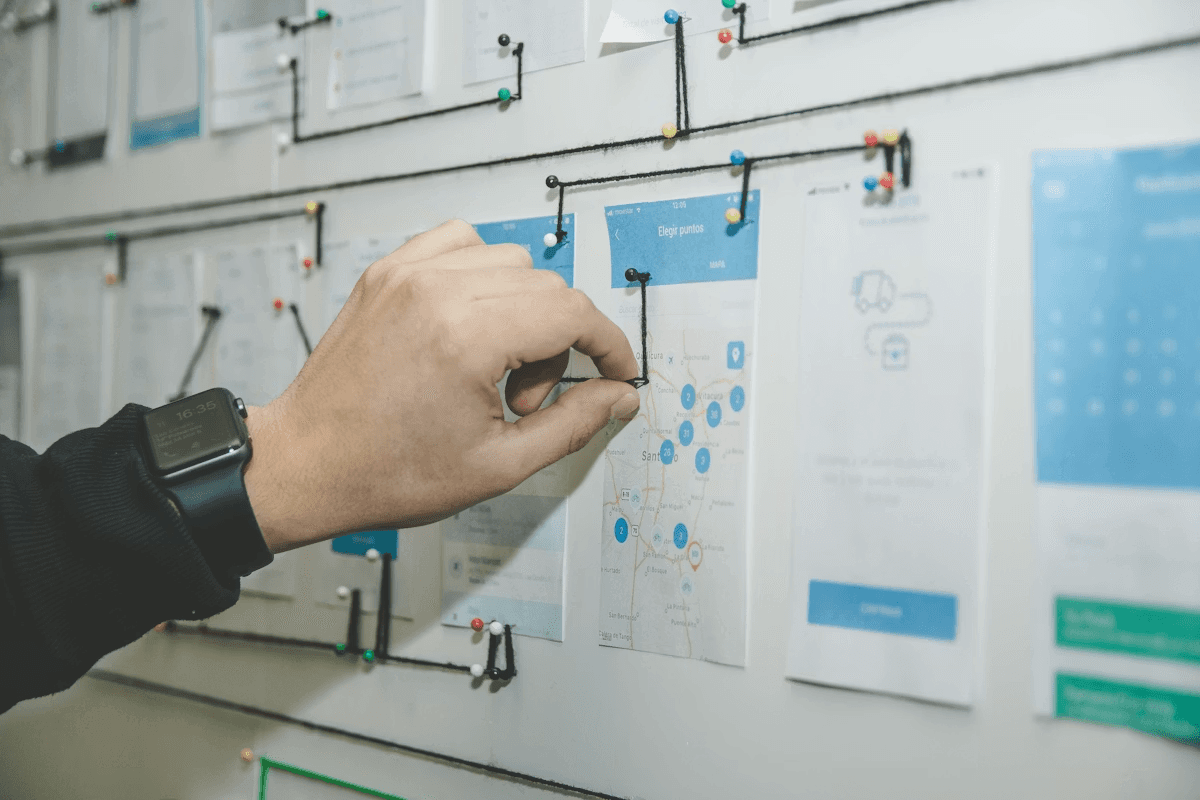
While often used interchangeably, UX design and UI (User Interface) design are distinct disciplines. UX design focuses on the overall experience, including user research, journey mapping, and usability testing. UI design, on the other hand, concentrates on the visual elements, such as buttons, layouts, and visual aesthetics, that users interact with. Both are essential, but UX design provides the strategic foundation that guides effective UI design.
A simple way to think about it: UX is the architecture, UI is the interior design. A beautiful interior in a badly laid-out building is still confusing to navigate. A product that looks gorgeous but makes simple tasks difficult still has a UX problem, regardless of how polished the visuals are.
Next Article.
APR 22, 2026
When is the right time to hire a UX Designer?