Written by:
Biarnes, Adriana
Published on:
abr 15, 2026
What's UX Design and why does your product need It
UX Design
Product
basics
Startups
UX design is one of those terms that gets used constantly and explained badly. Let's be straightforward about what it actually is and why it matters for your product.
UX is not how your product looks
Defining User Experience (UX) Design
UX design, short for User Experience design, refers to the process of enhancing user satisfaction by improving the usability, accessibility, and overall interaction between users and a product or service. It encompasses every aspect of the user's interaction, from initial discovery to ongoing engagement, ensuring that the experience is seamless, intuitive, and enjoyable.
In practice: every time someone opens your app and finds what they need without wanting to throw their phone across the room, that is good UX. Every time a user navigates your product and just gets it, without reading a manual or watching a tutorial, someone thought carefully about the details to make that happen. UX design is not about making things pretty. It is about understanding how people think, what they expect, and what trips them up, and then building something that respects all of that.
The Role of UX Design in Product Development
In product development, UX design plays a pivotal role by shaping how users perceive and interact with your product. It involves understanding user needs, behaviors, and pain points to create solutions that resonate with your target audience. A well-executed UX design process ensures that the final product not only meets functional requirements but also provides a positive emotional experience, leading to higher adoption and satisfaction.
Think of UX design as the layer between your product and the real world. Engineers build what is technically possible. Product managers figure out what to build. UX designers figure out how it should feel to use it. Without that third piece, you can have a technically impressive product that users still find confusing or forgettable. Bringing UX into development early means decisions get grounded in actual user behavior rather than assumptions, which tends to save teams a lot of rework down the line.
Differentiating UX Design from UI Design
While often used interchangeably, UX design and UI (User Interface) design are distinct disciplines. UX design focuses on the overall experience, including user research, journey mapping, and usability testing. UI design, on the other hand, concentrates on the visual elements, such as buttons, layouts, and visual aesthetics, that users interact with. Both are essential, but UX design provides the strategic foundation that guides effective UI design.
A simple way to think about it: UX is the architecture, UI is the interior design. A beautiful interior in a badly laid-out building is still confusing to navigate. A product that looks gorgeous but makes simple tasks difficult still has a UX problem, regardless of how polished the visuals are.
The importance of UX design for your product's success
Enhancing User Satisfaction and Engagement
A thoughtfully designed UX ensures that users find your product easy to use and valuable. When users have a positive experience, they are more likely to engage regularly, recommend your product, and develop loyalty over time.
User satisfaction is not just a nice-to-have metric. It is the difference between a product people come back to and one they abandon after a single bad session. When a user runs into friction, gets lost, or has to think too hard about something that should be simple, they mentally check out. Good UX removes those exit ramps. Nobody recommends an app by saying the backend architecture was solid. They say it was easy, fast, intuitive, and never made them feel dumb. That is a UX win.

Increasing conversion rates and customer loyalty
Effective UX design simplifies complex processes, reduces friction, and guides users toward desired actions. This directly impacts conversion rates and fosters long-term customer loyalty, which are critical for sustained business growth.
Every extra click, every confusing label, every form field that should not be there is a potential drop-off point. UX design maps out the path between where a user starts and where you want them to end up, then clears everything unnecessary out of the way. Checkout flows that take a minute instead of ten, onboarding that actually makes sense, sign-up pages that do not ask for your life story: all of that is intentional UX work, and it converts.
Reducing costs through better design and fewer revisions
Investing in UX design early can prevent costly redesigns later. By conducting UX design testing and iterative improvements, companies can identify issues before launch, reducing the need for extensive revisions and associated expenses.
Treating UX as a finishing touch you layer on after the product is built is backwards and expensive. Fixing a usability issue in the design phase costs a fraction of what it costs to fix after development. And fixing it after launch, when users are already forming opinions and support tickets are piling up, costs more still. Getting UX right early is not just good design practice. It is good financial sense.
The UX Design process
Conducting user research and needs analysis
Understanding your target audience through surveys, interviews, and analytics forms the foundation of effective UX design. This step uncovers user goals, pain points, and preferences.
User research is the step most teams rush or skip. It feels slow, like it is delaying the real work. But the research phase is where you learn whether the assumptions driving your product are actually correct. You might discover that users have a completely different mental model than you expected, or that the pain point you are solving is not their most painful one. That kind of knowledge changes everything about what you build. Finding it early is far better than finding it in user reviews after launch.

Creating user personas and journey maps
Developing detailed user personas and journey maps helps visualize typical user behaviors and interactions, informing design decisions and testing scenarios.
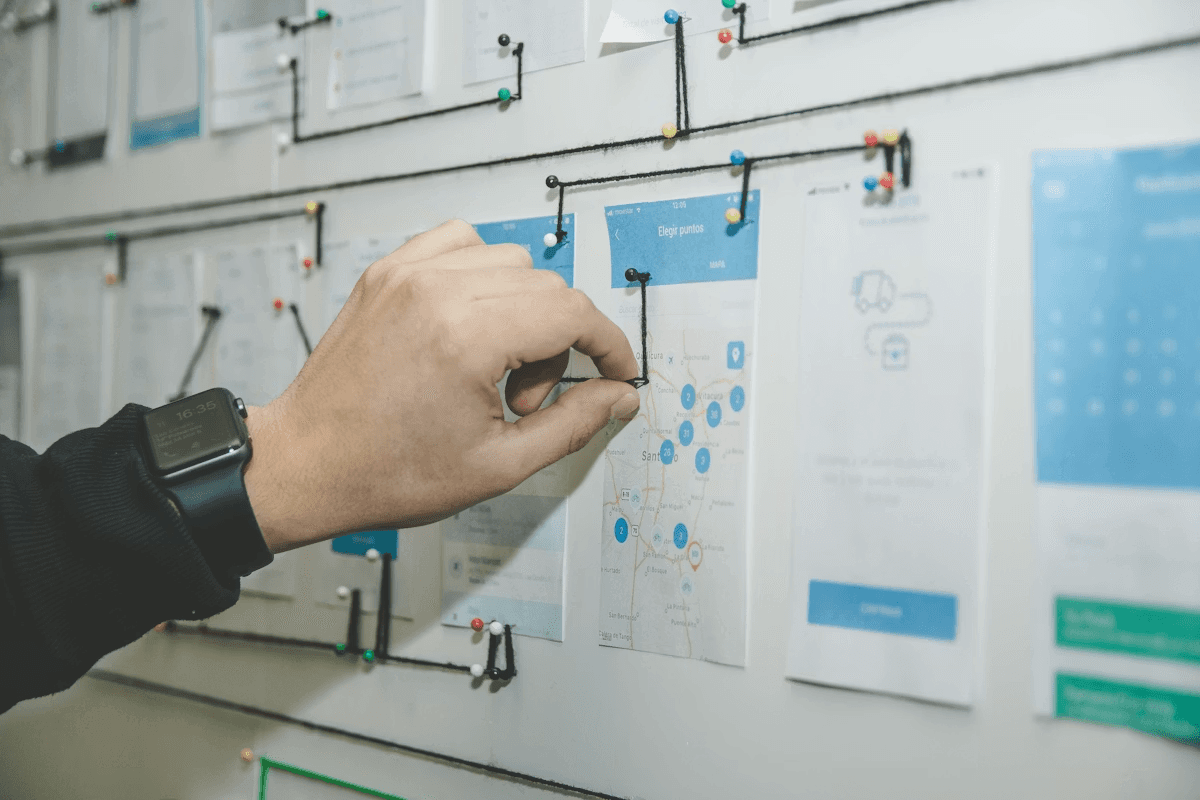
Personas are simplified models of your users. Done well, they give your whole team a shared vocabulary. Instead of debating abstract preferences, you can ask what would Maria do here. Journey maps take it further by plotting the full experience someone has with your product, from first hearing about it to becoming a regular user. Seeing that arc laid out makes it easy to spot the gaps, the confusing transitions, and the moments where people are most likely to drop off.
Wireframing and Prototyping for Testing
Wireframes and prototypes allow for early visualization of the product's structure and functionality. They are essential tools for UX design testing, enabling iterative improvements based on user feedback.
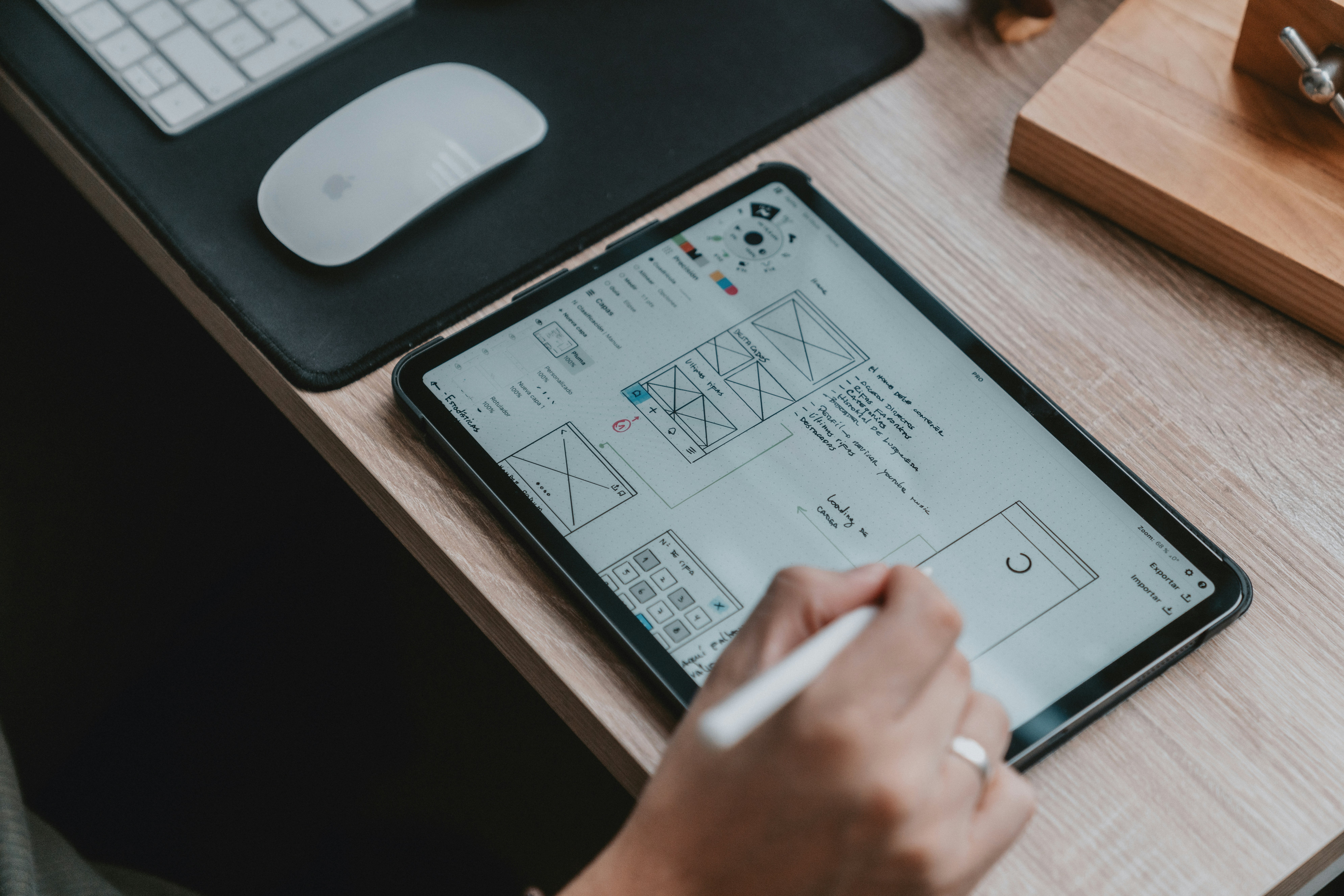
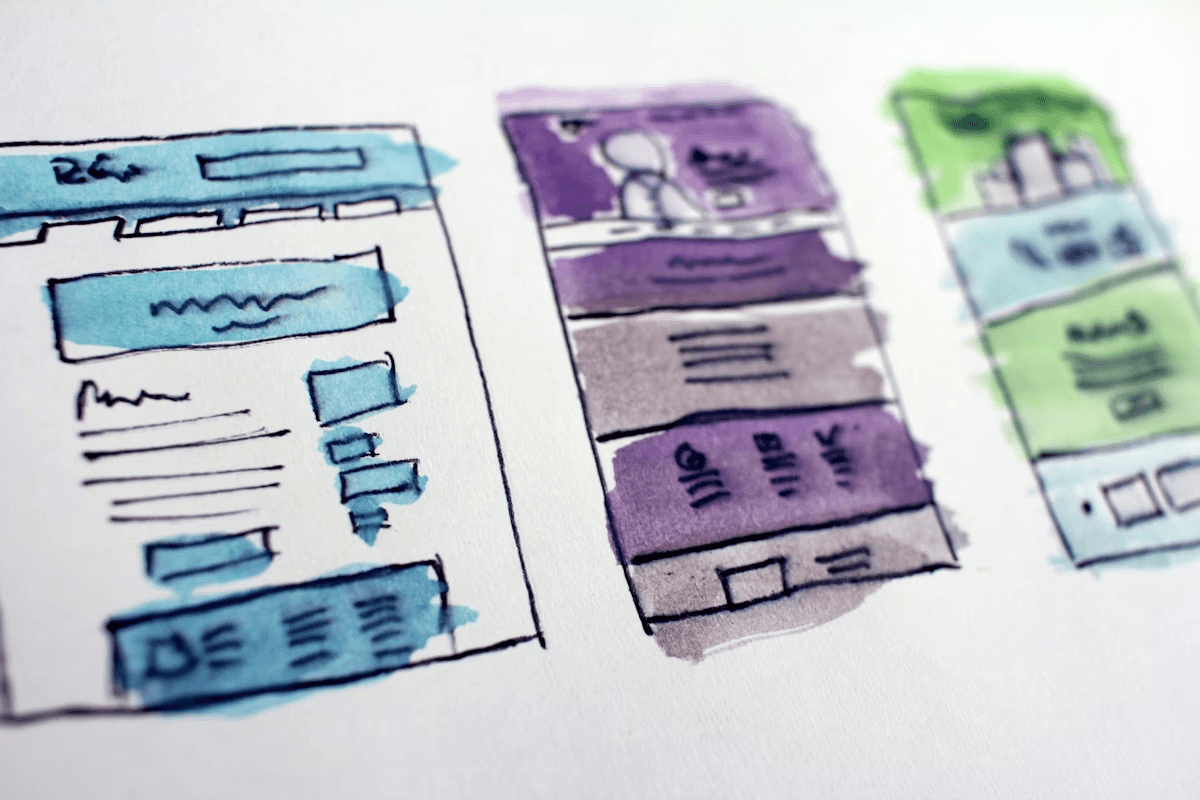
Wireframes are low-fidelity sketches of your interface: no colors, no final copy, just structure. They are fast to make and easy to throw away, which makes them perfect for early exploration. Prototypes add interactivity, letting you simulate how the product will actually work before a single line of production code is written. The goal is to make it cheap to be wrong. You want to find the problems at the sketch phase, not after your engineers have spent weeks building something.
Iterative design and user feedback integration
A successful UX design process involves continuous refinement. Incorporating user feedback through usability testing ensures the product evolves to meet real user needs effectively.
Shipping a product is not the finish line. The best teams treat each release as a starting point for learning. You watch how users actually behave, compare it to how you expected them to behave, note the gaps, and adjust. This cycle of design, test, learn, adjust is what separates products that improve over time from products that slowly become irrelevant. It requires a culture comfortable with being wrong, because being wrong fast is genuinely the most efficient path to getting it right.
Benefits of investing in professional UX Design
Competitive advantage in the market
A superior user experience differentiates your product from competitors, attracting and retaining customers in a crowded marketplace.
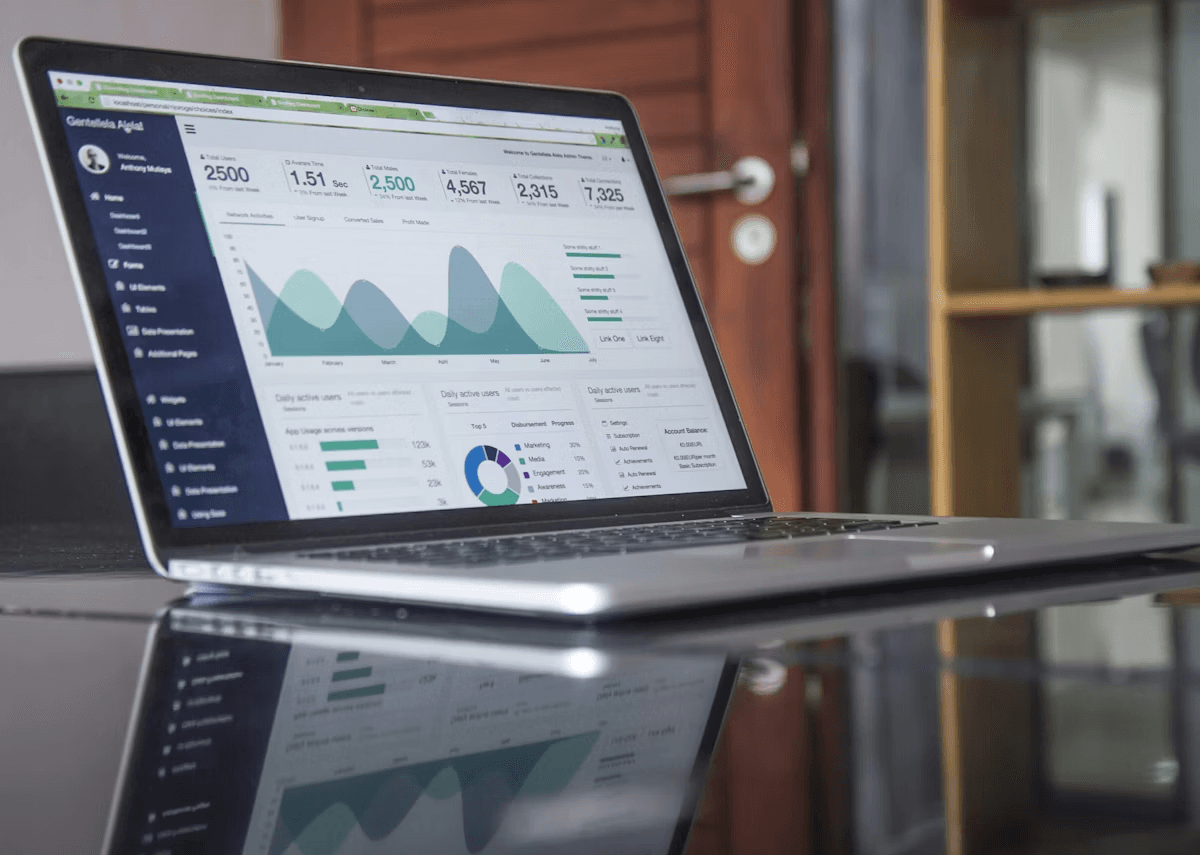
In most markets, the feature gap between competing products is narrow. Everyone has roughly the same functionality, pricing, and marketing. What separates the leaders from the followers is often how the product feels to use. When your UX is noticeably better, users notice. They stay. They tell people. And switching to a competitor starts to feel like a step down, even if the features are technically similar.
Improved user retention and satisfaction
Investing in UX design leads to happier users who are more likely to stay loyal and advocate for your brand.
Retention is cheaper than acquisition. Keeping a user you already have costs far less than finding a new one. When people enjoy using your product, when it makes their job easier or their day smoother, they do not look for alternatives. They write positive reviews and defend your product in comparison threads online. That kind of loyalty does not come from an ad budget. It comes from building something that works well, consistently.
Higher return on investment (ROI)
While there is an upfront cost, professional UX design, often supported by certifications like a UX design certificate or training from platforms like Google UX Design, delivers measurable ROI through increased conversions and reduced support costs.
Lower support volume because users can figure things out on their own. Higher conversion rates because the path to purchase is clear. Better retention because the product is genuinely pleasant to use. Reduced development costs because problems were caught early. None of these are invisible or hard to measure. They show up in your metrics and compound over time as your product improves through each iteration.
Common UX Design mistakes to avoid
Ignoring user feedback
Neglecting user insights can lead to products that do not meet actual needs, resulting in poor adoption.
Feedback loops are easy to build and easy to ignore. Support tickets, session recordings, user interviews, NPS scores: all of this is signal, and many teams let it pile up unread. When feedback consistently points at the same friction points or missing features, that is not noise. That is your product telling you what it needs. The teams that listen and act on it build better products. The teams that filter it out build products their users gradually outgrow.
Overcomplicating the user interface
Complex interfaces frustrate users. Strive for simplicity and clarity in your design.
There is a temptation, especially in products built by people who love features, to keep adding. Every requested feature gets added, every edge case gets a setting, and eventually the interface is carrying so much weight that new users do not know where to start. Simplicity is not about having fewer features. It is about presenting complexity in a way that does not overwhelm. Good UX design hides complexity until the user needs it.
Neglecting mobile and accessibility standards
With the proliferation of mobile devices, neglecting responsive design and accessibility can alienate significant user segments.
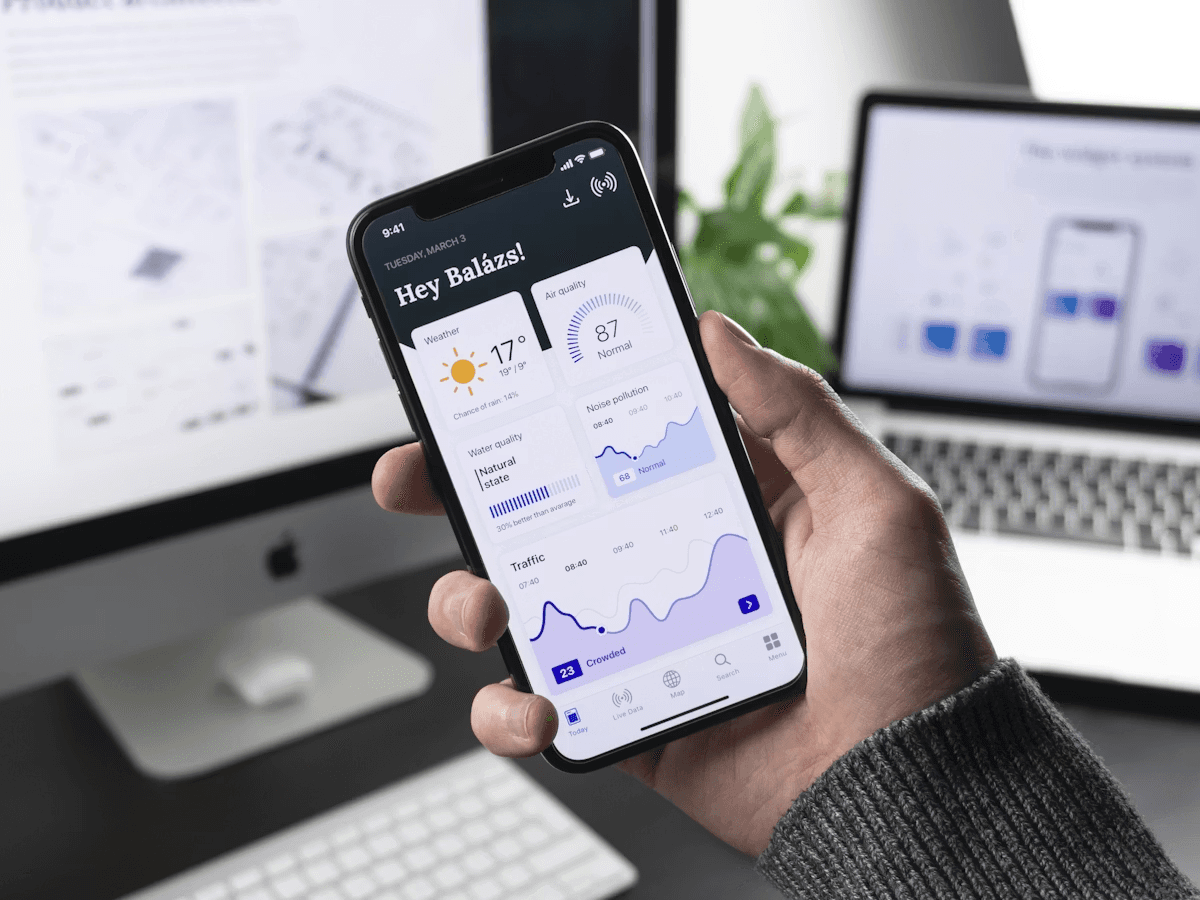
More than half of all web traffic is mobile. If your product is not designed with mobile in mind from the start, you are already behind. This means more than responsive layouts. It means thinking about touch targets, thumb reach, and the reality that mobile users are often distracted or multitasking. Accessibility standards are not optional extras. They represent a commitment to making your product usable by the widest possible range of people, and the effort almost always improves the experience for everyone.
Failing to test and iterate
Skipping UX design testing and iteration can leave critical issues unaddressed, impairing user experience and product success.
Assumptions are not a testing strategy. No matter how experienced your design team is, they will make decisions that seem logical internally but fall apart when real users encounter them. Even five users doing a simple task-based test will surface the most critical issues. The cost of not testing is always higher than the cost of running the tests.
How to incorporate UX Design into your product development
Collaborating with UX professionals
Partnering with experienced UX designers or agencies ensures that user-centric principles are embedded throughout development.
Bringing in professional UX expertise changes the quality of the conversation inside your team. Experienced designers bring frameworks, research methods, and pattern recognition from working across many products and industries. They identify potential problems faster, facilitate alignment between stakeholders, and keep the user's perspective alive throughout a process that can easily drift toward internal priorities.
Prioritizing user experience in project planning
Make UX a core component of your project timeline and budget, emphasizing its importance from the outset.
Projects that treat UX as an afterthought produce afterthought experiences. If UX is not in the planning phase, it does not get the time and resources it needs. It gets squeezed into whatever space is left after the real work is done. Starting with the user experience and building everything else around it is what high-performing product teams do. It sounds like a culture shift because it is one.
Utilizing UX Tools and Analytics for Continuous Improvement
Leverage tools for UX testing, analytics, and user feedback to monitor performance and inform ongoing enhancements.
There are solid tools for every part of the UX process: Figma for design and prototyping, Hotjar or FullStory for session recording, Maze or UserTesting for remote usability tests, Mixpanel or Google Analytics for behavioral data. The tools themselves are not the hard part. The habit of using them regularly and actually acting on what they tell you is the discipline that separates teams that improve from teams that stagnate.
Failing to test and iterate
Skipping UX design testing and iteration can leave critical issues unaddressed, impairing user experience and product success.
Assumptions are not a testing strategy. No matter how experienced your design team is, they will make decisions that seem logical internally but fall apart when real users encounter them. Even five users doing a simple task-based test will surface the most critical issues. The cost of not testing is always higher than the cost of running the tests.
Conclusion
Summarizing the Critical Role of UX Design
UX design is fundamental to creating products that resonate with users, foster loyalty, and drive business success. It encompasses understanding user needs, applying core principles, and continuously testing and refining the experience.
If there is one takeaway here, it is this: UX design is not a nice-to-have. It is the practice of building products people can actually use, enjoy, and trust. When done well, it is invisible. Users do not think about UX while they are having a good experience. They just think the product is good. That is the whole point.
Final Tips for Embracing User-Centric Design Principles
Invest in learning about UX design, consider obtaining a UX design certificate to deepen your knowledge, and prioritize user feedback at every stage.
Start with research, stay curious about your users, and treat testing as a standard part of the process rather than an occasional exercise. The habits matter more than any single design decision.
Encouraging Investment in UX for Long-Term Success
In today's competitive landscape, a well-designed user experience is not optional but essential. Embracing professional UX design practices ensures your product remains relevant, effective, and beloved by users over the long term.
Products that age well are almost always products with strong UX foundations. They adapt because they were built with users at the center. They stay relevant because the teams behind them kept listening. That is not luck. That is what a serious, sustained investment in user experience looks like. Your users will notice, even if they cannot name what they are noticing.
Next Article.

APR 10, 2026
UX Audit AI: What it is and why it matters